
8 Science-Backed Benefits of Sea Moss
What the research actually says about this trending red algae — from heart and gut health to thyroid, recovery, and more.
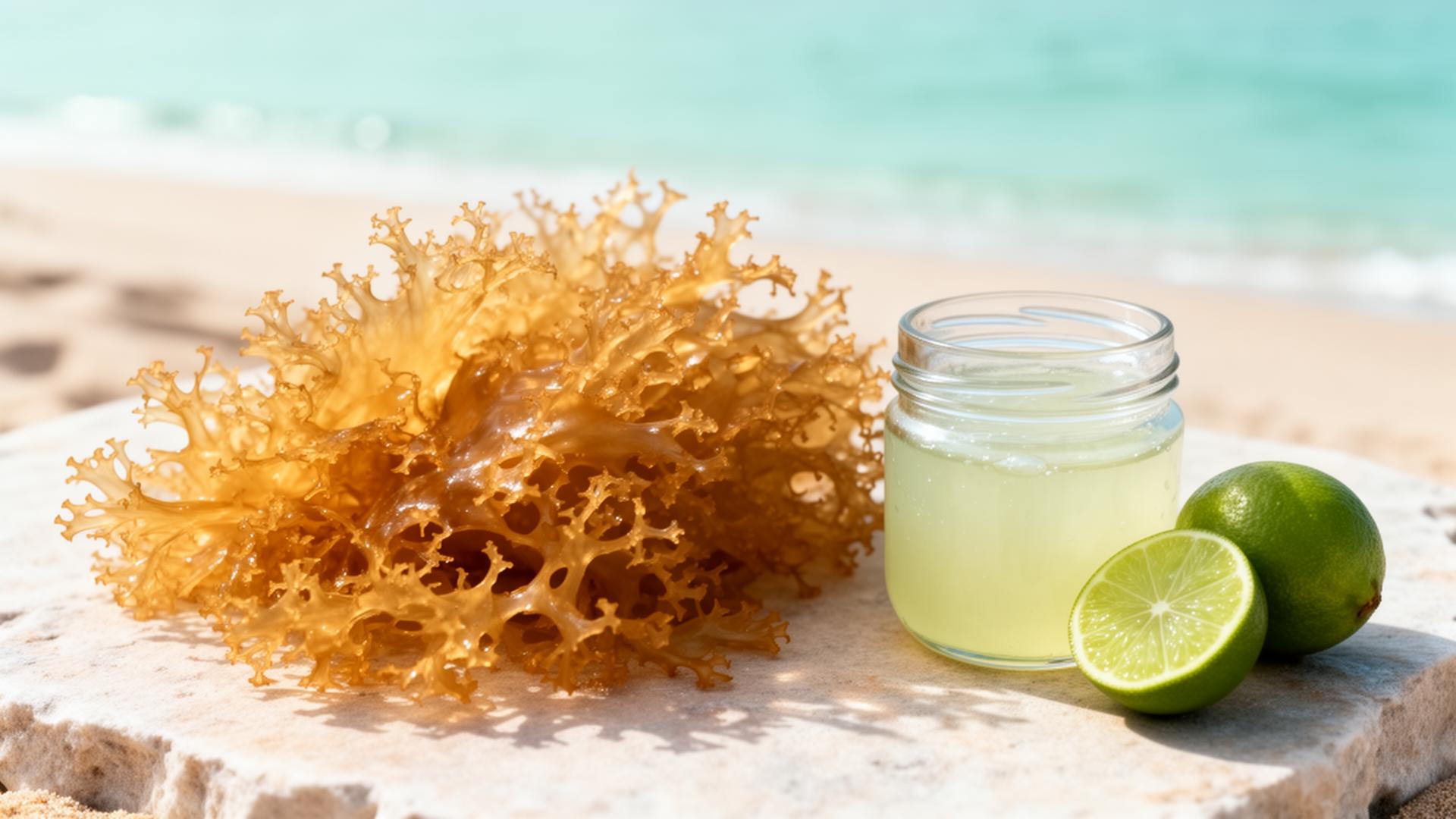
- Sea moss is a fiber- and mineral-rich red algae with credible (if lightly studied) benefits for heart, gut, immune, and thyroid health.
- Iodine and heavy-metal content vary widely — choose tested products and start with small doses.
- About 4 g per day is generally well tolerated; consult a clinician if you have a thyroid condition or take blood thinners.
Sea moss — also known as Irish moss or *Chondrus crispus* — is a red algae that has exploded in popularity as a gel, powder, capsule, and gummy. The hype is loud; the science is quieter but real. Below are eight benefits worth knowing, what the research actually supports, and where to be careful.
1. Heart health
Seaweeds are unusually fiber-rich for a vegetable, and fiber is one of the most consistent levers we have for cardiovascular risk — it helps manage blood sugar, lower LDL cholesterol, and support healthy blood pressure. [1] Sea moss specifically has been associated with lower LDL and modest blood-pressure benefits in animal and early human work. [2]
2. Weight management
Fiber slows digestion and increases satiety, which can naturally curb overeating. Sea moss gel mixed into smoothies or oatmeal is one easy way to add bulk without calories. Pair it with adequate protein and you have a simple, food-first strategy that beats most supplement gimmicks.
3. Thyroid function
Iodine is essential for thyroid hormone production, and sea moss is one of the richest natural sources. For people who eat little seafood, dairy, or iodized salt, a modest amount can help fill the gap. [3]
4. Gut health
Sea moss is a prebiotic — its soluble fiber and polysaccharides feed beneficial gut bacteria, which influence everything from digestion to immunity to mood. A healthier microbiome typically means less bloating, more regular bowel habits, and better nutrient absorption. [4]
5. Immune support
Roughly 70% of immune cells live in or around the gut, so prebiotic foods like sea moss support immunity indirectly. On top of that, sea moss provides zinc, iron, and antioxidant compounds (including sulfated polysaccharides) that have shown antiviral and anti-inflammatory activity in lab studies. [5]
6. Workout recovery
Sea moss contains taurine and a small amount of plant protein (~6 g per 100 g raw), both of which play a role in muscle repair after the micro-tears of training. It is not a replacement for protein, sleep, and hydration — but as part of a smart routine it can help. For the broader recovery picture, our guide to magnesium and sleep covers the nighttime side of bouncing back.
7. Women's health
- **Hormone balance:** Fiber helps the body clear excess estrogen, which may support more regular menstrual cycles.
- **Bone density:** Calcium becomes critical during perimenopause and menopause as estrogen falls; sea moss contributes a modest, food-form dose.
- **Skin and hair:** Zinc, sulfur, and antioxidants support collagen and a healthy skin barrier.
8. Men's health
Zinc is one of the most important minerals for male reproductive health — it supports healthy testosterone production and sperm quality. Sea moss is a meaningful natural source, particularly for men who do not eat oysters or red meat regularly. Pair it with adequate sleep and resistance training for compounding effects.
How to take sea moss safely
One study found that about 4 grams per day is generally well tolerated, but quality and sourcing matter more than format. Look for wildcrafted or ocean-farmed sea moss with third-party testing for heavy metals, since algae naturally absorb whatever is in the water they grow in.
Side effects and who should be careful
- **Too much iodine** can suppress or overstimulate the thyroid — stay within recommended doses.
- **Heavy metals** can accumulate in algae harvested from polluted waters; choose tested brands.
- **Anticoagulants:** Sea moss has mild blood-thinning effects, so check with your doctor if you take warfarin or similar medications.
- **Pregnancy and breastfeeding:** Iodine needs change — ask your OB before adding.
The bottom line
Sea moss is not a miracle cure, but it is a genuinely nutrient-dense food with credible upside for heart, gut, immune, and thyroid health. Treat it the way you would any whole-food supplement: modest, consistent, and stacked on top of good basics — sleep, protein, movement, and varied meals. For more on building a daily stack that actually works, browse the full Vitalytics Learn library.
FAQ
›How much sea moss should I take per day?
Most research and clinical guidance points to around 4 grams of raw sea moss (or 1–2 teaspoons of gel) per day as a safe starting amount. Build up gradually and check with your doctor if you have a thyroid condition.
›Is sea moss safe during pregnancy?
Iodine needs rise during pregnancy, but excess iodine can be harmful. Ask your OB before adding sea moss.
›What is the best form of sea moss?
Quality matters more than format. Look for wildcrafted or ocean-farmed sea moss with third-party heavy-metal testing. Capsules offer the easiest standardized dosing; gel is more versatile in food.
›Can sea moss help with weight loss?
Indirectly — its fiber promotes fullness and supports gut health, both of which help with appetite regulation. It is not a fat burner.
References
- [1]Cleveland Clinic — 8 Potential Health Benefits of Sea Moss Source
- [2]Liu J. et al. — Biological activities and potential health benefits of sulfated polysaccharides from edible seaweeds Source
- [3]NIH Office of Dietary Supplements — Iodine Fact Sheet Source
- [4]Shannon E. et al. — Seaweed components as potential modulators of the gut microbiota Source
- [5]Wang L. et al. — Bioactivities of seaweed polysaccharides Source
Featured products
Editorially relevant — not paid placements.
Jordan writes about recovery, performance, and the science of feeling good. Former collegiate athlete, now obsessed with the small daily inputs that compound into long-term wellness.
Dr. Natarajan is a board-certified internist with a special interest in evidence-based supplementation and lifestyle medicine. She reviews Vitalytics content for medical accuracy.
Keep reading
The 5-minute briefing
One short, source-backed email each Sunday on sleep, energy, recovery, and daily wellness.