
Ashwagandha and Cortisol: What the Research Actually Shows
This popular adaptogen is everywhere, but what does the science actually say about its effects on our primary stress hormone?
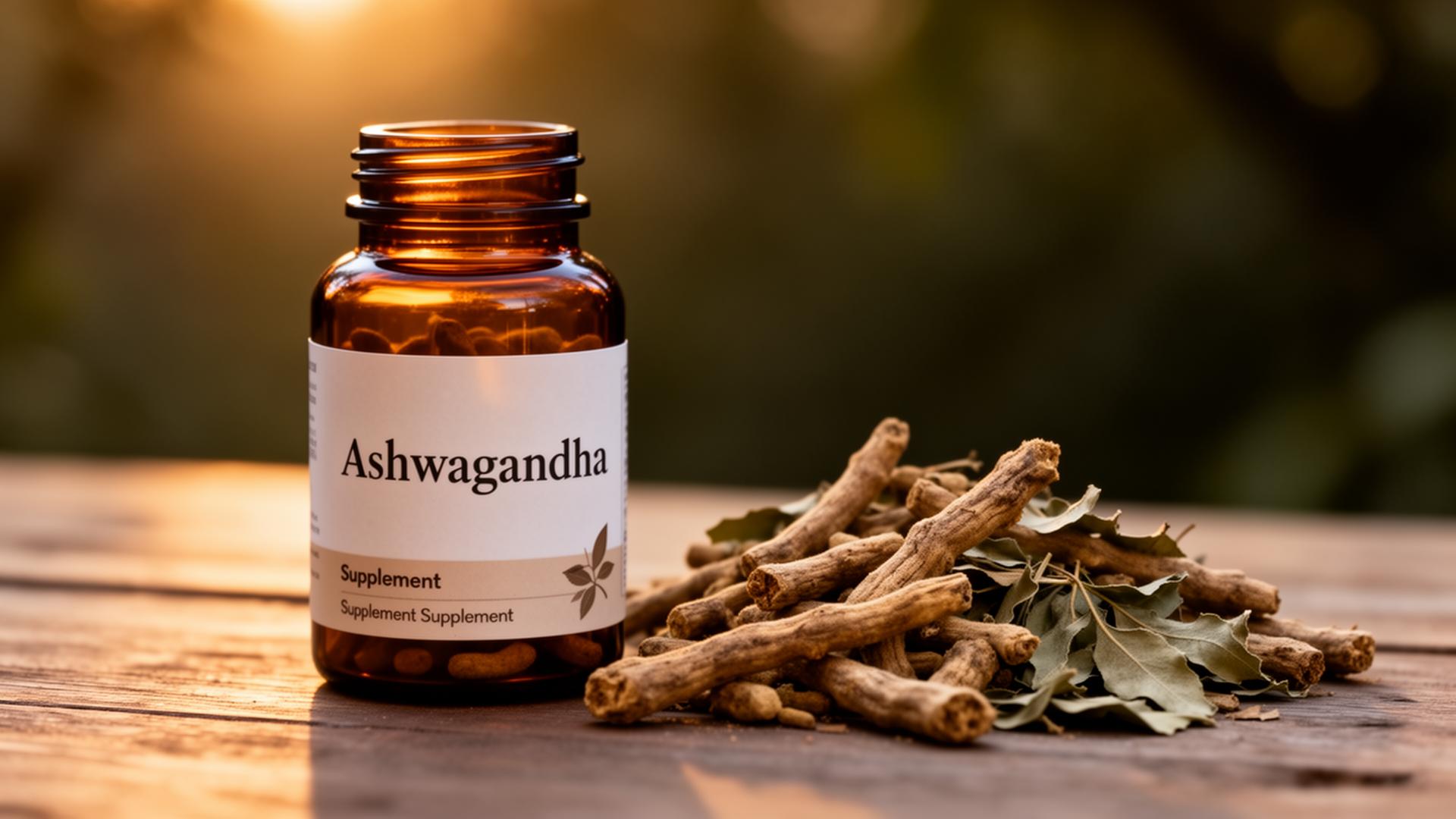
- Cortisol is the body's main stress hormone, essential for survival but problematic when chronically elevated.
- Ashwagandha is an adaptogenic herb that may help the body better adapt to stress.
- Specific extracts like KSM-66 and Sensoril have been studied for their effects on cortisol.
- Research suggests these extracts can help support healthy cortisol levels in stressed adults.
- Always consult a healthcare provider before starting any new supplement regimen.
What Is Cortisol, Anyway?
You’ve probably heard of cortisol—it’s often called the “stress hormone.” But it’s not inherently bad. Cortisol is a glucocorticoid hormone produced by your adrenal glands, and it plays a vital role in numerous bodily functions. It helps regulate your metabolism, supports your immune response, and, most famously, manages how your body reacts to stress. When you face a perceived threat, your brain triggers the release of cortisol to give you a burst of energy and focus, a key part of our "fight-or-flight" response. This is a normal, healthy, and essential survival mechanism.
The problems begin when stress isn’t a fleeting event, like narrowly avoiding a car accident, but a chronic condition. Juggling deadlines, managing family life, and navigating a never-ending news cycle can keep our stress response system on high alert. When cortisol levels are persistently elevated, it can disrupt the body's natural rhythms. This may contribute to feeling wired but tired, experiencing sleep disturbances, and noticing changes in appetite and mood. Over time, maintaining a state of high alert can wear down our resilience, making it harder to cope with everyday pressures.
Ashwagandha: An Adaptogen for Stress Resilience
This is where herbs known as adaptogens come in. Ashwagandha ( Withania somnifera ) is one of the most well-known adaptogens, with deep roots in traditional Ayurvedic practice. The term 'adaptogen' refers to a class of plants and mushrooms thought to help the body adapt to various physical and psychological stressors, promoting balance, or 'homeostasis.' Instead of having a single, direct effect, adaptogens appear to work more broadly, helping to modulate the body's stress response system. Think of them not as a sledgehammer, but as a thermostat for your stress response.
The primary active compounds in ashwagandha are called withanolides, which are believed to be responsible for its beneficial properties. These compounds are thought to interact with the hypothalamic-pituitary-adrenal (HPA) axis, which is the central command center for your stress response. By supporting the HPA axis, ashwagandha may help the body maintain a more balanced and efficient reaction to stress, preventing both over- and under-reactions. This allows the body to conserve resources and function more effectively, even when external pressures are high.
The Science of Ashwagandha and Cortisol
So, how exactly does an ancient herb influence a fundamental hormone like cortisol? The research points to ashwagandha’s role in moderating the HPA axis. When your brain perceives a stressor, it signals the pituitary gland, which in turn signals the adrenal glands to release cortisol. Ashwagandha appears to help fine-tune this communication pathway, making it less reactive to chronic, low-grade stress.
Several studies suggest that withanolides may help reduce the over-activation of the HPA axis that chronic stress can cause. By supporting a more balanced hormonal cascade, ashwagandha doesn’t just suppress cortisol. Instead, it seems to help the body produce levels that are appropriate for the situation. This contributes to a feeling of calm and focus, rather than the jittery, on-edge feeling that high cortisol can bring. One study noted that participants taking ashwagandha saw improvements in both stress and anxiety scores, suggesting its effects are multi-faceted [1].
KSM-66 vs. Sensoril: A Look at the Evidence
When you see ashwagandha in a supplement, it’s often in the form of a patented, standardized extract. KSM-66 and Sensoril are two of the most researched and widely available. While both come from the same plant, they have key differences. KSM-66 is a full-spectrum extract derived exclusively from the root of the ashwagandha plant. Its creators standardized it to a high concentration of withanolides, but by using only the root, they follow a more traditional preparation method.
Sensoril, on the other hand, is an extract made from both the roots and the leaves of the plant. This formulation results in a higher concentration of a specific withanolide called withaferin A, alongside other bioactive compounds. The choice between them often comes down to desired emphasis; KSM-66 is heavily marketed for its broad stress, cognition, and performance-support benefits, while Sensoril is often highlighted for its calming and sedative-like properties, which may be due to its unique phytochemical profile [2]. Both have clinical trials supporting their use in helping the body manage stress and maintain healthy cortisol levels [1, 2].
Is Ashwagandha Right for You?
While the research is promising, ashwagandha isn’t a magic bullet. Its effectiveness can depend on the quality of the extract, the dose, and individual factors like your unique physiology and lifestyle. It is generally well-tolerated, but it may not be suitable for everyone. Specifically, individuals who are pregnant, breastfeeding, or have autoimmune conditions should exercise caution and speak with their doctor before using it.
Ultimately, a supplement is just one part of a larger wellness picture. The most effective way to manage cortisol and stress involves a holistic approach. This includes prioritizing sleep, engaging in regular physical activity, practicing mindfulness or meditation, and eating a balanced, nutrient-dense diet. Ashwagandha can be a helpful tool to support the body’s stress management systems, but it works best when integrated into a foundation of healthy habits. As always, the decision to add a supplement to your routine should be made in conversation with a qualified healthcare professional who understands your health history and needs.
FAQ
›How long does it take for ashwagandha to work?
Ashwagandha is an adaptogen, not a rapid-acting drug. Its effects are cumulative and may take several weeks of consistent use to become noticeable. Most clinical studies observe benefits after 60-90 days.
›Can I take ashwagandha every day?
Most research studies involve daily use for several weeks or months. However, some people choose to cycle it, such as taking it for a few months and then taking a break. It is best to follow product instructions and consult your healthcare provider for personalized guidance.
›What's the difference between ashwagandha root and leaf extracts?
Traditionally, Ayurvedic practice primarily used the root. Root-only extracts (like KSM-66) are thought to offer a broad range of adaptogenic benefits. Extracts using both root and leaf (like Sensoril) contain a different profile of active compounds and are often associated with more pronounced calming effects.
›Does ashwagandha have side effects?
Ashwagandha is generally considered safe for most people when taken at recommended doses. Some may experience mild side effects like upset stomach, diarrhea, or drowsiness. It is not recommended for certain populations, including those who are pregnant or have specific autoimmune conditions. Always consult your doctor before use.
References
- [1]Salve, J., Pate, S., Debnath, K., & Langade, D. (2019). Adaptogenic and Anxiolytic Effects of Ashwagandha Root Extract in Healthy Adults: A Double-Blind, Randomized, Placebo-Controlled Clinical Study. Cureus, 11(12), e6466. Source
- [2]Auddy, B., Hazra, J., Mitra, A., Abedon, B., & Ghosal, S. (2008). A Standardized Withania Somnifera Extract (Sensoril) Reduces Stress-Related Parameters in Chronically Stressed Humans: A Double-Blind, Randomized, Placebo-Controlled Study. Journal of the American Nutraceutical Association, 11(1), 50-56. Source
- [3]Lopresti, A. L., Smith, S. J., Malvi, H., & Kodgule, R. (2019). An investigation into the stress-relieving and pharmacological actions of an ashwagandha (Withania somnifera) extract: A randomized, double-blind, placebo-controlled study. Medicine, 98(37), e17186. Source
- [4]Chandrasekhar, K., Kapoor, J., & Anishetty, S. (2012). A prospective, randomized double-blind, placebo-controlled study of safety and efficacy of a high-concentration full-spectrum extract of ashwagandha root in reducing stress and anxiety in adults. Indian journal of psychological medicine, 34(3), 255–262. Source
Jordan writes about recovery, performance, and the science of feeling good. Former collegiate athlete, now obsessed with the small daily inputs that compound into long-term wellness.
Dr. Natarajan is a board-certified internist with a special interest in evidence-based supplementation and lifestyle medicine. She reviews Vitalytics content for medical accuracy.
Keep reading

The 5-minute briefing
One short, source-backed email each Sunday on sleep, energy, recovery, and daily wellness.